
Volume 28, Issue 2 (9-2025)
jha 2025, 28(2): 1-21 |
Back to browse issues page



Download citation:
BibTeX | RIS | EndNote | Medlars | ProCite | Reference Manager | RefWorks
Send citation to:


BibTeX | RIS | EndNote | Medlars | ProCite | Reference Manager | RefWorks
Send citation to:
Esmaeili M, Bodaghi Khajeh Noubar H, Gharebeiglou H, Shahinpour A. Family components and touchpoints to increase organ donation within the framework of social marketing: a scoping review. jha 2025; 28 (2) :1-21
URL: http://jha.iums.ac.ir/article-1-4649-en.html
URL: http://jha.iums.ac.ir/article-1-4649-en.html


1- Department of Business Management, Ajabshir Branch, Islamic Azad University, Ajabshir, Iran.
2- Department of Business Administration, Tabriz Branch, Islamic Azad University, Tabriz, Iran ,bodaghi@iau.ac.ir
2- Department of Business Administration, Tabriz Branch, Islamic Azad University, Tabriz, Iran ,
Full-Text [PDF 1248 kb]
(719 Downloads)
| Abstract (HTML) (1222 Views)
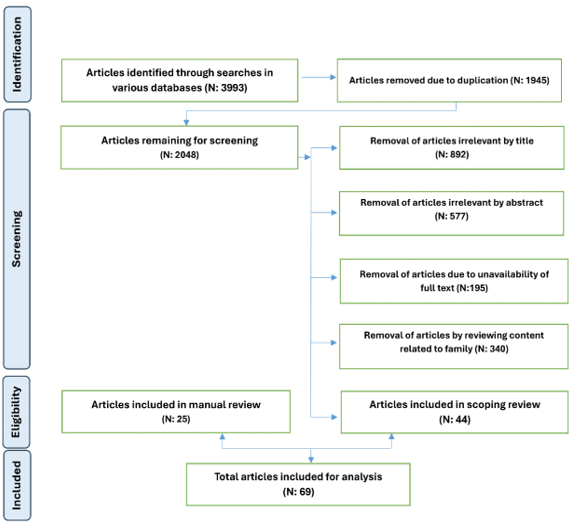
Figure 1. PRISMA flowchart for the study selection process
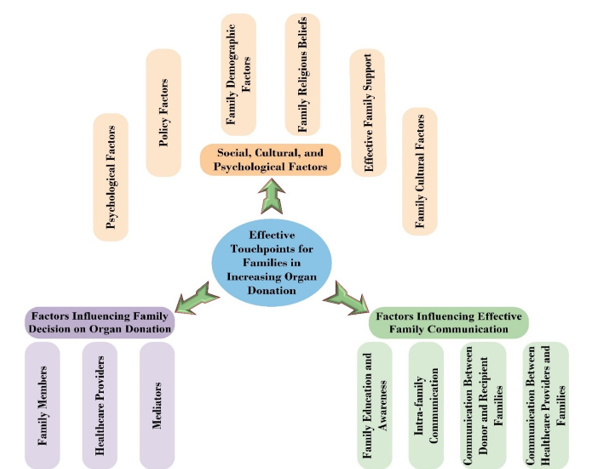
Figure 2. Components affecting the family institution in increasing organ donation
Full-Text: (386 Views)
Introduction
The growing global demand for transplantable organs has made consent for organ donation a critical issue for both individuals in need and society [1]. In over 50 countries, including Iran, family consent is a major requirement [2]. In Iran, about 25,000 patients are on the transplant waiting list, and one patient dies every two hours, while 6,000 viable organs are lost annually. Despite these challenges, Iran ranked first in Asia and 30th worldwide in organ donation rates in 2020 [3].
Social marketing—the application of commercial marketing principles to influence target audiences for social good—can play a vital role in increasing donation rates [4] by identifying target groups, their key “touch points,” and related characteristics. In Iran, the lack of a coherent, culturally adapted social marketing system remains a challenge, as promotional efforts have often been fragmented, unstructured, and lacking consideration for cultural and family dynamics. Touch points, defined as all interactions between target audiences and organ donation messages or programs, shape attitudes, awareness, trust, and ultimately willingness to act [5]. Families are a crucial audience in this framework, as their consent significantly influences donation rates. Obtaining consent often occurs under emotionally distressing circumstances [6], which directly impacts their decisions regarding donation [7].
Recent studies have examined factors affecting family decision-making. For instance, Yeung [8] found that combining online videos with interviews increased willingness to donate compared to receiving a single SMS. Grossi et al. [9] highlighted the long-term positive effects of high-quality donation discussions. Lalegani et al. [10] reported that decision-making mediators could have both positive and negative effects. However, most studies have focused on single factors and paid little attention to social marketing role in changing family behavior in the Iranian context.
This study reviews literature from 2020 onwards to ensure up-to-date evidence that reflects post-COVID-19 developments, technological advances, and recent policy changes. Using a social marketing framework, this study identifies and analyzes key family touch points in the organ donation process, proposing strategies to enhance engagement, reduce decision-making barriers, and develop an effective framework for managing family veto.
Methods
This study aimed to identify domains, components, concepts, and key touchpoints for family behavior change in organ donation, a core element of social marketing. A scoping review approach was used to gather studies on family roles in organ donation, following the Joanna Briggs Institute (JBI) guidelines [11] for scoping reviews and reported according to the Preferred Reporting Items for Systematic Reviews and Meta-Analyses extension for Scoping Reviews (PRISMA-ScR) standards.
Literature searches were performed in a variety of databases including PubMed, Scopus, Web of Science, ProQuest, Emerald, SID, Google Scholar, and relevant organizational websites (e.g., World Health Organization, Iranian Organ Donation Association, Organ Donation Center, and Organ and Tissue Procurement Network). Keywords included "organ donation," "organ donor," and family-related terms (search strategy is available in Supplement). Inclusion criteria covered all study types, grey literature, and all languages. Studies were imported into EndNote for duplicate removal, with a focus on publications from 2020 onward to ensure currency, reflecting COVID-19 effects, technological/legal advancements, and alignment with modern policy/decision-making for boosting organ donation rates.
Screening involved title and abstract review, followed by full-text accessibility and content evaluation for inclusion. Non-matched studies were excluded. Validity and reliability were ensured via two independent researchers, with discrepancies resolved using Rayyan software and supervisor input.
Data analysis employed thematic analysis per Braun and Clarke [12]. Full texts were systematically reviewed; key touchpoints and concepts on family roles in organ donation were extracted into an Excel data form. Coding via MAXQDA24 followed these steps: 1) data familiarization through detailed reading and note-taking, 2) generating initial descriptive codes from article key points, 3) searching for themes by grouping codes into shared concepts, 4) reviewing themes for merging or separation, 5) defining and naming themes with textual evidence, and 6) producing a final report of themes as findings. Credibility and validity were enhanced by independent coding by two researchers, agreed-upon merging, and verification of theme alignment with study objectives and conceptual framework.
Results
In this scoping review, 3993 records published between 2020 and 2024 were identified through relevant scientific databases. Following the removal of duplicates, 2048 unique articles remained. During the initial screening of titles and abstracts for alignment with the inclusion and exclusion criteria, 1469 articles were excluded for various reasons. In the full-text screening phase, 340 of the 384 accessible full-text articles were excluded based on the criteria. Ultimately, 44 articles that fully aligned with the objectives of the review were selected for final analysis. An additional 25 relevant articles, identified through manual searching, were also included. The final corpus comprised a total of 69 articles, encompassing quantitative, qualitative, and review studies. Figure 1 (PRISMA flow diagram) visually presents all these stages, ensuring transparency in the selection process.
The growing global demand for transplantable organs has made consent for organ donation a critical issue for both individuals in need and society [1]. In over 50 countries, including Iran, family consent is a major requirement [2]. In Iran, about 25,000 patients are on the transplant waiting list, and one patient dies every two hours, while 6,000 viable organs are lost annually. Despite these challenges, Iran ranked first in Asia and 30th worldwide in organ donation rates in 2020 [3].
Social marketing—the application of commercial marketing principles to influence target audiences for social good—can play a vital role in increasing donation rates [4] by identifying target groups, their key “touch points,” and related characteristics. In Iran, the lack of a coherent, culturally adapted social marketing system remains a challenge, as promotional efforts have often been fragmented, unstructured, and lacking consideration for cultural and family dynamics. Touch points, defined as all interactions between target audiences and organ donation messages or programs, shape attitudes, awareness, trust, and ultimately willingness to act [5]. Families are a crucial audience in this framework, as their consent significantly influences donation rates. Obtaining consent often occurs under emotionally distressing circumstances [6], which directly impacts their decisions regarding donation [7].
Recent studies have examined factors affecting family decision-making. For instance, Yeung [8] found that combining online videos with interviews increased willingness to donate compared to receiving a single SMS. Grossi et al. [9] highlighted the long-term positive effects of high-quality donation discussions. Lalegani et al. [10] reported that decision-making mediators could have both positive and negative effects. However, most studies have focused on single factors and paid little attention to social marketing role in changing family behavior in the Iranian context.
This study reviews literature from 2020 onwards to ensure up-to-date evidence that reflects post-COVID-19 developments, technological advances, and recent policy changes. Using a social marketing framework, this study identifies and analyzes key family touch points in the organ donation process, proposing strategies to enhance engagement, reduce decision-making barriers, and develop an effective framework for managing family veto.
Methods
This study aimed to identify domains, components, concepts, and key touchpoints for family behavior change in organ donation, a core element of social marketing. A scoping review approach was used to gather studies on family roles in organ donation, following the Joanna Briggs Institute (JBI) guidelines [11] for scoping reviews and reported according to the Preferred Reporting Items for Systematic Reviews and Meta-Analyses extension for Scoping Reviews (PRISMA-ScR) standards.
Literature searches were performed in a variety of databases including PubMed, Scopus, Web of Science, ProQuest, Emerald, SID, Google Scholar, and relevant organizational websites (e.g., World Health Organization, Iranian Organ Donation Association, Organ Donation Center, and Organ and Tissue Procurement Network). Keywords included "organ donation," "organ donor," and family-related terms (search strategy is available in Supplement). Inclusion criteria covered all study types, grey literature, and all languages. Studies were imported into EndNote for duplicate removal, with a focus on publications from 2020 onward to ensure currency, reflecting COVID-19 effects, technological/legal advancements, and alignment with modern policy/decision-making for boosting organ donation rates.
Screening involved title and abstract review, followed by full-text accessibility and content evaluation for inclusion. Non-matched studies were excluded. Validity and reliability were ensured via two independent researchers, with discrepancies resolved using Rayyan software and supervisor input.
Data analysis employed thematic analysis per Braun and Clarke [12]. Full texts were systematically reviewed; key touchpoints and concepts on family roles in organ donation were extracted into an Excel data form. Coding via MAXQDA24 followed these steps: 1) data familiarization through detailed reading and note-taking, 2) generating initial descriptive codes from article key points, 3) searching for themes by grouping codes into shared concepts, 4) reviewing themes for merging or separation, 5) defining and naming themes with textual evidence, and 6) producing a final report of themes as findings. Credibility and validity were enhanced by independent coding by two researchers, agreed-upon merging, and verification of theme alignment with study objectives and conceptual framework.
Results
In this scoping review, 3993 records published between 2020 and 2024 were identified through relevant scientific databases. Following the removal of duplicates, 2048 unique articles remained. During the initial screening of titles and abstracts for alignment with the inclusion and exclusion criteria, 1469 articles were excluded for various reasons. In the full-text screening phase, 340 of the 384 accessible full-text articles were excluded based on the criteria. Ultimately, 44 articles that fully aligned with the objectives of the review were selected for final analysis. An additional 25 relevant articles, identified through manual searching, were also included. The final corpus comprised a total of 69 articles, encompassing quantitative, qualitative, and review studies. Figure 1 (PRISMA flow diagram) visually presents all these stages, ensuring transparency in the selection process.
Figure 1. PRISMA flowchart for the study selection process
From the review of 69 articles, three main domains were identified: socio-cultural and psychological factors; factors influencing family decision-making; and key factors in effective family communication. The first domain includes: religious beliefs, demographic factors, supports, cultural factors, policymaking, and psychological factors. The second domain includes family members, healthcare providers, and intermediaries. The third domain includes education and awareness, intra-family communication, communication between donor and recipient families, and communication between therapists and families. To better understand these components, they are presented in a diagram in Figure 2.
Figure 2. Components affecting the family institution in increasing organ donation
Discussion
Identifying touchpoints to capture audience attention is critical for increasing organ donation rates as well as for understanding the pathways through which potential donors become actual donors. Social marketing, with its dimensions and tools, plays a pivotal role in reaching these touchpoints. Raising awareness and highlighting the importance of organ donation, fostering effective communication, building trust, eliciting emotions, creating imagery, delivering accurate information, and ultimately inspiring action all require the identification and application of the components and subcomponents of social marketing dimensions.
In this study, we found that one of the most important target audiences in organ donation is the family. Families play a decisive role in the decision-making process, particularly when the deceased individual had not expressed a clear wish regarding organ donation. For this reason, numerous studies have examined practical strategies to influence families toward consenting to donation after a relative’s death. Previous studies have either addressed organ donation in general or covered only a limited aspect of the issue. The present study aimed to review existing literature to identify family touchpoints in the context of organ donation and incorporate them into a structured research framework.
The first major domain influencing family behavior toward organ donation consists of social, cultural, and psychological factors. Social factors refer to interpersonal structures and interactions, such as family networks, peer groups, and societal norms, that shape individuals’ behaviors and attitudes. Cultural factors encompass shared value systems, beliefs, and customs within a society or ethnic group that form collective and individual identity. Psychological factors involve mental processes such as perception, emotions, and motivation that guide decision-making and emotional responses. In organ donation, the family—as a key social unit—affects decision-making through emotional support, cultural beliefs about death and the body, and psychological attitudes toward loss. The aim of exploring this domain is to identify and optimize the factors with the greatest influence on changing attitudes, behaviors, and willingness among families to participate in organ donation.
The findings of this study indicate that family religious beliefs are one of the most determinant factors within the realm of social, cultural, and psychological components. This result aligns with international studies such as those by Lo et al. [13], El-Menyar et al. [14], Saxena et al. [15], and Stephan et al. [16], which have shown that religious beliefs can both hinder and encourage the organ donation process. However, some studies, such as Yousefi et al. [17], have demonstrated that in many societies, particularly in cultures where religious and spiritual values play a key role in life-and-death decisions, organ donation is considered unacceptable or even sinful, which is not consistent with the findings of the present study. This discrepancy may be attributed to differences in cultural context, the role of religious authorities in persuading families, or deficiencies in official information dissemination in the studied community.
Another component within this domain is demographic factors, referring to statistical characteristics of a population used to analyze social, economic, and cultural trends. These include variables such as age, gender, birth and death rates, migration, education level, marital status, employment, income, and geographic distribution. Various studies have highlighted the influence of demographic variables on family decision-making in organ donation, including Zhang et al. [18], Curtis et al. [19], and Opdam and Radford [20]. The present study not only underscores the role of demographic factors but also categorizes them into intervention-oriented themes for policymakers in the health sector.
Social support emerged as another influential component. Our findings align with those of Kerstis and Widarsson [21], who emphasized that social support—whether from government, healthcare systems, or community networks—can reduce the emotional burden on families and facilitate better-informed decision-making. Social support encompasses services, resources, and emotional, economic, and psychological assistance from governmental and non-governmental organizations, communities, and family networks, enabling families to better cope with challenges such as organ donation decisions.
Cultural beliefs are also critical in shaping families’ decisions. Cultural factors refer to the set of beliefs, values, norms, traditions, and attitudes prevalent in a society or social group that directly or indirectly influence individual attitudes and behaviors. In crisis situations, such as the death of a loved one, these factors become especially important. Siminoff et al. [22] demonstrated that tailoring educational and informational messages to cultural, ethnic, and linguistic backgrounds of target groups significantly increases family consent rates. Our findings confirm that ignoring cultural, linguistic, and ethnic sensitivities can result in resistance or refusal. Therefore, organizations responsible for organ donation in Iran should design culturally adapted communication packages in local languages and dialects that align with the values of each ethnic group.
Policy factors represent another key component. Coordinated policies, strategic planning, and the development of standard protocols for family support, consent acquisition, and legal frameworks have been highlighted in multiple studies. Park and Kim [23] found that the absence of clear, coordinated policies is a major barrier to increasing donation rates, recommending that countries focus on removing bureaucratic obstacles, streamlining legal procedures, and enhancing public education. Our findings similarly indicate that without legal support and a clearly defined donation pathway, families experience doubt and distrust.
Psychological factors also play a pivotal role in family decision-making. The acute emotional stress caused by a loved one’s death can impair families’ cognitive and emotional capacity for rational decision-making. Ahmadian et al. [24] found that anxiety, grief, and inner conflict can significantly hinder the willingness to donate, even when families are aware of the benefits, which is consistent with the present study and emphasize the need for psychological support during decision-making.
The second major domain concerns factors influencing the family decision-making process, including the roles of family members, healthcare providers, and mediators. The role of family members is central: Molina-Perez et al. [25] also emphasized that family participation is a cornerstone of the donation process. Our findings show that personal beliefs, trust in the healthcare system, and family cohesion are critical in shaping decisions.
Healthcare providers influence decision quality through clear and supportive communication. Sque et al. [26] reported that transparent and empathetic communication increases trust and consent rates. Similarly, our results indicate that pressure, ambiguity, or neglect from healthcare teams can lead to negative decisions. Physicians, nurses, and clinical staff must provide necessary information with clarity and sensitivity, while understanding family perspectives to support informed consent. Mediators—individuals who facilitate decision-making—can also shape family attitudes toward organ donation. Lalehgani et al. [10] found that skilled mediators increase the likelihood of positive decisions, while poor performance or inappropriate interventions may lead to refusal, consistent with our findings.
The third domain involves communication-related factors in family interactions. Effective communication strategies include targeted education and awareness, intra-family discussions, interactions between donor and recipient families, and communication between healthcare teams and
Identifying touchpoints to capture audience attention is critical for increasing organ donation rates as well as for understanding the pathways through which potential donors become actual donors. Social marketing, with its dimensions and tools, plays a pivotal role in reaching these touchpoints. Raising awareness and highlighting the importance of organ donation, fostering effective communication, building trust, eliciting emotions, creating imagery, delivering accurate information, and ultimately inspiring action all require the identification and application of the components and subcomponents of social marketing dimensions.
In this study, we found that one of the most important target audiences in organ donation is the family. Families play a decisive role in the decision-making process, particularly when the deceased individual had not expressed a clear wish regarding organ donation. For this reason, numerous studies have examined practical strategies to influence families toward consenting to donation after a relative’s death. Previous studies have either addressed organ donation in general or covered only a limited aspect of the issue. The present study aimed to review existing literature to identify family touchpoints in the context of organ donation and incorporate them into a structured research framework.
The first major domain influencing family behavior toward organ donation consists of social, cultural, and psychological factors. Social factors refer to interpersonal structures and interactions, such as family networks, peer groups, and societal norms, that shape individuals’ behaviors and attitudes. Cultural factors encompass shared value systems, beliefs, and customs within a society or ethnic group that form collective and individual identity. Psychological factors involve mental processes such as perception, emotions, and motivation that guide decision-making and emotional responses. In organ donation, the family—as a key social unit—affects decision-making through emotional support, cultural beliefs about death and the body, and psychological attitudes toward loss. The aim of exploring this domain is to identify and optimize the factors with the greatest influence on changing attitudes, behaviors, and willingness among families to participate in organ donation.
The findings of this study indicate that family religious beliefs are one of the most determinant factors within the realm of social, cultural, and psychological components. This result aligns with international studies such as those by Lo et al. [13], El-Menyar et al. [14], Saxena et al. [15], and Stephan et al. [16], which have shown that religious beliefs can both hinder and encourage the organ donation process. However, some studies, such as Yousefi et al. [17], have demonstrated that in many societies, particularly in cultures where religious and spiritual values play a key role in life-and-death decisions, organ donation is considered unacceptable or even sinful, which is not consistent with the findings of the present study. This discrepancy may be attributed to differences in cultural context, the role of religious authorities in persuading families, or deficiencies in official information dissemination in the studied community.
Another component within this domain is demographic factors, referring to statistical characteristics of a population used to analyze social, economic, and cultural trends. These include variables such as age, gender, birth and death rates, migration, education level, marital status, employment, income, and geographic distribution. Various studies have highlighted the influence of demographic variables on family decision-making in organ donation, including Zhang et al. [18], Curtis et al. [19], and Opdam and Radford [20]. The present study not only underscores the role of demographic factors but also categorizes them into intervention-oriented themes for policymakers in the health sector.
Social support emerged as another influential component. Our findings align with those of Kerstis and Widarsson [21], who emphasized that social support—whether from government, healthcare systems, or community networks—can reduce the emotional burden on families and facilitate better-informed decision-making. Social support encompasses services, resources, and emotional, economic, and psychological assistance from governmental and non-governmental organizations, communities, and family networks, enabling families to better cope with challenges such as organ donation decisions.
Cultural beliefs are also critical in shaping families’ decisions. Cultural factors refer to the set of beliefs, values, norms, traditions, and attitudes prevalent in a society or social group that directly or indirectly influence individual attitudes and behaviors. In crisis situations, such as the death of a loved one, these factors become especially important. Siminoff et al. [22] demonstrated that tailoring educational and informational messages to cultural, ethnic, and linguistic backgrounds of target groups significantly increases family consent rates. Our findings confirm that ignoring cultural, linguistic, and ethnic sensitivities can result in resistance or refusal. Therefore, organizations responsible for organ donation in Iran should design culturally adapted communication packages in local languages and dialects that align with the values of each ethnic group.
Policy factors represent another key component. Coordinated policies, strategic planning, and the development of standard protocols for family support, consent acquisition, and legal frameworks have been highlighted in multiple studies. Park and Kim [23] found that the absence of clear, coordinated policies is a major barrier to increasing donation rates, recommending that countries focus on removing bureaucratic obstacles, streamlining legal procedures, and enhancing public education. Our findings similarly indicate that without legal support and a clearly defined donation pathway, families experience doubt and distrust.
Psychological factors also play a pivotal role in family decision-making. The acute emotional stress caused by a loved one’s death can impair families’ cognitive and emotional capacity for rational decision-making. Ahmadian et al. [24] found that anxiety, grief, and inner conflict can significantly hinder the willingness to donate, even when families are aware of the benefits, which is consistent with the present study and emphasize the need for psychological support during decision-making.
The second major domain concerns factors influencing the family decision-making process, including the roles of family members, healthcare providers, and mediators. The role of family members is central: Molina-Perez et al. [25] also emphasized that family participation is a cornerstone of the donation process. Our findings show that personal beliefs, trust in the healthcare system, and family cohesion are critical in shaping decisions.
Healthcare providers influence decision quality through clear and supportive communication. Sque et al. [26] reported that transparent and empathetic communication increases trust and consent rates. Similarly, our results indicate that pressure, ambiguity, or neglect from healthcare teams can lead to negative decisions. Physicians, nurses, and clinical staff must provide necessary information with clarity and sensitivity, while understanding family perspectives to support informed consent. Mediators—individuals who facilitate decision-making—can also shape family attitudes toward organ donation. Lalehgani et al. [10] found that skilled mediators increase the likelihood of positive decisions, while poor performance or inappropriate interventions may lead to refusal, consistent with our findings.
The third domain involves communication-related factors in family interactions. Effective communication strategies include targeted education and awareness, intra-family discussions, interactions between donor and recipient families, and communication between healthcare teams and
families. Education and awareness are crucial in dispelling myths, addressing cultural and religious concerns, and presenting successful case experiences. Tools such as workshops, media campaigns, specialized counseling, and mass media can improve knowledge and attitudes. Siminoff et al. [27] found that online educational programs enhance family engagement and public acceptance, supporting our thematic findings.
Intra-family discussions have a decisive impact, as highlighted by Wang [28], who showed that addressing organ donation within the family before a crisis improves readiness and facilitates informed consent. Our findings similarly identify such discussions as a key factor, as they clarify values and preferences, particularly when the deceased’s wishes are known. Contact between donor and recipient families emerged as another influential factor. This connection can reduce grief, provide meaning, and strengthen satisfaction with the donation decision. Petrini [29] emphasized that when facilitated under appropriate legal and psychological frameworks, such contact enhances the donation experience. Our findings confirm that many families gain comfort and meaning from perceiving the life-saving impact of their decision.
Communication between healthcare providers and bereaved families is critical. Curtis et al. [19] found that the presence of trained professionals in sensitive conversations significantly improves consent rates. Our results align, emphasizing the importance of trained transplant coordinators, timely discussions regarding brain death, and adherence to supportive communication protocols such as the Comfort model [30], which advocates for empathetic language and appropriate timing.
Limitations
One of the limitations of the present study was the lack of access to the full text of some articles. Another limitation was the use of sources published between 2020 and 2024, could also be considered a major weakness of the present study.
Conclusion
This study identified key components and touchpoints influencing family decisions on organ donation within a social marketing framework. Three domains emerged: (1) social, cultural, and psychological factors; (2) factors influencing family decision-making; and (3) factors in effective family communication. Applying social marketing principles that focus on family needs and values can enhance awareness, trust, and consent rates. Policymakers should implement long-term, culturally tailored strategies that combine family empowerment, empathy-driven communication, immediate psychological support, collaboration with religious and civic leaders, and promotion of pre-crisis family discussions. Leveraging behavioral models, big data, and longitudinal monitoring can strengthen public trust and expand acceptance of organ donation.
Online supplement
Search strategy
Characteristics of included studies
Declarations
Ethical considerations: Not Applicable.
Funding: This research was conducted without any financial support.
Conflicts of interests: The authors declare that there is no conflict of interest.
Authors’ contribution: ME: Conceptualization, study design, data curation, methodology, software, validation, data analysis, resources, writing– original draft, writing– review & editing, visualization; HBKH: Conceptualization, study design, methodology, validation, writing– review & editing, supervision, final approval; HGH: Conceptualization, study design, methodology, validation, final approval; ASH: Methodology, validation, final approval.
Consent for publication: Not applicable.
Data availability: Access to the data is available through the corresponding author upon reasonable request.
AI deceleration: The authors used ChatGPT artificial intelligence for editing the English section of this article. All AI-edited content was reviewed and approved by the authors.
Acknowledgements: The authors would like to acknowledge Dr. Fatemeh Sadeghi Ghiyasi from the Research Development and Coordination Center of the University of Medical Sciences, Mr. Hossein Saeedi from the Central Library of the University of Medical Sciences, and the esteemed faculty members of Islamic Azad University for their valuable consultation on the scoping review, thematic analysis, and overall research process.
Intra-family discussions have a decisive impact, as highlighted by Wang [28], who showed that addressing organ donation within the family before a crisis improves readiness and facilitates informed consent. Our findings similarly identify such discussions as a key factor, as they clarify values and preferences, particularly when the deceased’s wishes are known. Contact between donor and recipient families emerged as another influential factor. This connection can reduce grief, provide meaning, and strengthen satisfaction with the donation decision. Petrini [29] emphasized that when facilitated under appropriate legal and psychological frameworks, such contact enhances the donation experience. Our findings confirm that many families gain comfort and meaning from perceiving the life-saving impact of their decision.
Communication between healthcare providers and bereaved families is critical. Curtis et al. [19] found that the presence of trained professionals in sensitive conversations significantly improves consent rates. Our results align, emphasizing the importance of trained transplant coordinators, timely discussions regarding brain death, and adherence to supportive communication protocols such as the Comfort model [30], which advocates for empathetic language and appropriate timing.
Limitations
One of the limitations of the present study was the lack of access to the full text of some articles. Another limitation was the use of sources published between 2020 and 2024, could also be considered a major weakness of the present study.
Conclusion
This study identified key components and touchpoints influencing family decisions on organ donation within a social marketing framework. Three domains emerged: (1) social, cultural, and psychological factors; (2) factors influencing family decision-making; and (3) factors in effective family communication. Applying social marketing principles that focus on family needs and values can enhance awareness, trust, and consent rates. Policymakers should implement long-term, culturally tailored strategies that combine family empowerment, empathy-driven communication, immediate psychological support, collaboration with religious and civic leaders, and promotion of pre-crisis family discussions. Leveraging behavioral models, big data, and longitudinal monitoring can strengthen public trust and expand acceptance of organ donation.
Online supplement
Search strategy
Characteristics of included studies
Declarations
Ethical considerations: Not Applicable.
Funding: This research was conducted without any financial support.
Conflicts of interests: The authors declare that there is no conflict of interest.
Authors’ contribution: ME: Conceptualization, study design, data curation, methodology, software, validation, data analysis, resources, writing– original draft, writing– review & editing, visualization; HBKH: Conceptualization, study design, methodology, validation, writing– review & editing, supervision, final approval; HGH: Conceptualization, study design, methodology, validation, final approval; ASH: Methodology, validation, final approval.
Consent for publication: Not applicable.
Data availability: Access to the data is available through the corresponding author upon reasonable request.
AI deceleration: The authors used ChatGPT artificial intelligence for editing the English section of this article. All AI-edited content was reviewed and approved by the authors.
Acknowledgements: The authors would like to acknowledge Dr. Fatemeh Sadeghi Ghiyasi from the Research Development and Coordination Center of the University of Medical Sciences, Mr. Hossein Saeedi from the Central Library of the University of Medical Sciences, and the esteemed faculty members of Islamic Azad University for their valuable consultation on the scoping review, thematic analysis, and overall research process.
Type of Study: Research |
Subject:
Health Services Management
Received: 2025/04/12 | Accepted: 2025/09/3 | Published: 2025/09/21
Received: 2025/04/12 | Accepted: 2025/09/3 | Published: 2025/09/21
Supplement [PDF 451 KB] (75 Download)
References
1. Orøy A, Strømskag KE, Gjengedal E. Interaction with potential donors' families: the professionals' community of concern-a phenomenological study. International Journal of Qualitative Studies on Health and Well-being. 2011;6(1). [DOI:10.3402/qhw.v6i1.5479]
2. Ralph A, Chapman JR, Gillis J, Craig JC, Butow P, Howard K, et al. Family perspectives on deceased organ donation: thematic synthesis of qualitative studies. American Journal of Transplantation. 2014;14(4):923-35. [DOI:10.1111/ajt.12660]
3. Iranian society of organ donation. Statistics from the iranian organ donation association on the status of organ donation iran Iran: Iranian Organ Donation Association; 2024 [In Persian] Available from: https://ehdacenter.ir
4. Kotler P, Zaltman G. Social marketing: an approach to planned social change. Social Marketing Quarterly. 1997;3(3-4):7-20. [DOI:10.1177/152450049700300301]
5. Donovan R, Henley N. Principles and practice of social marketing: an international perspective. Cambridge: Cambridge University Press; 2010. [DOI:10.1017/CBO9780511761751]
6. Pelletier M. The organ donor family members' perception of stressful situations during the organ donation experience. J Adv Nurs. 1992;17(1):90-7. [DOI:10.1111/j.1365-2648.1992.tb01822.x]
7. Sque M, Long T, Payne S, Allardyce D. Why relatives do not donate organs for transplants: 'sacrifice' or 'gift of life'? J Adv Nurs. 2008;61(2):134-44. [DOI:10.1111/j.1365-2648.2007.04491.x]
8. Yeung NCY, Lau JTF, Wu AMS, Mo PKH, Jiang CL, Tong YF, et al. Multicomponent intervention to promote expression of organ donation wish to family members: a randomised controlled trial (abridged secondary publication). Hong Kong medical journal = Xianggang yi xue za zhi. 2022;28(6):36-8. https://www.hkmj.org/system/files/hkmj2212sp6p36.pdf
9. Grossi AA, Butti G, De Min F, Donato MA, Aurelio MT, Carcano G, et al. Family members' long-term perspectives on organ donation conversations: a pilot study of quality assessments. Minerva Anestesiologica. 2024;90(1-2):101-3. [DOI:10.23736/S0375-9393.23.17626-7]
10. Lalegani H, Babaei S, Alimohammadi N, Yazdannik A, Sanei B, Ramezannezhad P. A critical ethnographic study of families of brain-dead patients: Their experiences and attitudes to organ donation. Iranian Journal of Nursing and Midwifery Research. 2023;28(5):536-43. [DOI:10.4103/ijnmr.ijnmr_267_22]
11. Peters MDJ, Marnie C, Tricco AC, Pollock D, Munn Z, Alexander L, et al. Updated methodological guidance for the conduct of scoping reviews. JBI EVIDENCE SYNTHESIS. 2020;18(10):2119-26.
https://doi.org/10.11124/JBIES-20-00167 [DOI:10.11124/jbies-20-00167]
12. Braun V, Clarke V. Using thematic analysis in psychology. Qualitative Research in Psychology. 2006;3(2):77-101. [DOI:10.1191/1478088706qp063oa]
13. Kerstis B, Widarsson M. When life ceases-relatives' experiences when a family member is confirmed brain dead and becomes a potential organ donor-a literature review. SAGE Open Nursing. 2020;6:2377960820922031. [DOI:10.1177/2377960820922031]
14. Kananeh MF, Brady PD, Mehta CB, Louchart LP, Rehman MF, Schultz LR, et al. Factors that affect consent rate for organ donation after brain death: A 12-year registry. Journal of the Neurological Sciences. 2020;416:117036. [DOI:10.1016/j.jns.2020.117036]
15. Park J, Kim CJ. Recent decrease in organ donation from brain-dead potential organ donors in korea and possible causes. Journal of Korean Medical Science. 2020;35(13):e94. [DOI:10.3346/jkms.2020.35.e94]
16. El-Menyar A, Al-Thani H, Mehta T, Varughese B, Al-Maslamani Y, Mekkodathil AA, et al. Beliefs and intention to organ donation: a household survey. International Journal of Applied and Basic Medical Research. 2020;10(2):122-7. [DOI:10.4103/ijabmr.IJABMR_108_19]
17. Burki TK. Opt-out organ donation in England. The Lancet Respiratory Medicine. 2020;8(5):443. [DOI:10.1016/S2213-2600(20)30185-5]
18. Albertsen A. Against the family veto in organ procurement: Why the wishes of the dead should prevail when the living and the deceased disagree on organ donation. Bioethics. 2020;34(3):272-80. [DOI:10.1111/bioe.12661]
19. Bambha K, Shingina A, Dodge JL, O'Connor K, Dunn S, Prinz J, et al. Solid organ donation after death in the United States: Data-driven messaging to encourage potential donors. American Journal of Transplantation. 2020;20(6):1642-9. [DOI:10.1111/ajt.15776]
20. Darnell WH, Real K, Bernard A. Exploring family decisions to refuse organ donation at imminent death. Qualitative Health Research. 2020;30(4):572-82. [DOI:10.1177/1049732319858614]
21. Petrini C, Riva L, Floridia G, Mannelli C. Anonymity and organ donation: ethical and policy implications after the opinion released by the italian committee for bioethics. Transplantation Proceedings. 2020;52(5):1525-7. [DOI:10.1016/j.transproceed.2020.01.079]
22. Stadlbauer V, Zink C, Likar P, Zink M. Family discussions and demographic factors influence adolescent's knowledge and attitude towards organ donation after brain death: a questionnaire study. BMC Medical Ethics. 2020;21(1):57. [DOI:10.1186/s12910-020-00499-x]
23. Witjes M, Jansen NE, van Dongen J, Herold IHF, Otterspoor L, Haase-Kromwijk B, et al. Appointing nurses trained in organ donation to improve family consent rates. Nursing in Critical Care. 2020;25(5):299-304. [DOI:10.1111/nicc.12462]
24. Zirpe KG, Suryawanshi P, Gurav S, Deshmukh A, Pote P, Tungenwar A, et al. Increase in cadaver organ donation rate at a tertiary care hospital: 23 years of experience. Indian Journal of Critical Care Medicine. 2020;24(9):804-8. [DOI:10.5005/jp-journals-10071-23578]
25. Green R. Tens of thousands of organ donor families and recipients have communicated with each other and, in the great majority of cases, the results have been positive for both sides. Journal of Nephrology. 2020;33(6):1135-8. [DOI:10.1007/s40620-020-00902-1]
26. Scales A, Bentley H. Organ donation: nursing roles and responsibilities. British Journal of Nursing. 2020;29(1):60-1. [DOI:10.12968/bjon.2020.29.1.60]
27. Curtis RMK, Manara AR, Madden S, Brown C, Duncalf S, Harvey D, et al. Validation of the factors influencing family consent for organ donation in the UK. Anaesthesia. 2021;76(12):1625-34 [DOI:10.1111/anae.15485]
28. Opdam H, Radford S. Understanding the organ donation conversation landscape in the UK. Anaesthesia. 2021;76(12):1567-71. [DOI:10.1111/anae.15497]
29. Leblebici M. Prevalence and potential correlates of family refusal to organ donation for brain-dead declared patients: A 12-year retrospective screening study. Transplantation Proceedings. 2021;53(2):548-54. [DOI:10.1016/j.transproceed.2020.08.015]
30. Bekele M, Jote W, Workneh T, Worku B. Knowledge and attitudes about organ donation among patient companion at a tertiary hopsital in ethiopia. Ethiopian journal of health sciences. 2021;31(1):119-28. [DOI:10.4314/ejhs.v31i1.14]
31. Luo A, He H, Xu Z, Deng X, Xie W. Social support of organ donor families in china: A quantitative and qualitative study. Front Public Health. 2021;9:746126. [DOI:10.3389/fpubh.2021.746126]
32. Knhis ND, Martins SR, Magalhaes ALP, Ramos SF, Sell CT, Koerich C, et al. Family interview for organ and tissue donation: good practice assumptions. Revista Brasileira de Enfermagem. 2021;74(2). [DOI:10.1590/0034-7167-2019-0206]
33. Gonzalez NT, Carmena MDG, Moyano MF, Zafra AB, Guntin SV, Bermejo ZB, et al. Organ donation: with great power comes great responsibility. Transplantation Proceedings. 2021;53(9):2646-9. [DOI:10.1016/j.transproceed.2021.07.052]
34. Pan XT, Ji M, Liu W, Bai ZC, Dai ZF, Huang JT, et al. Investigation and strategic analysis of family barriers to organ donation in china. Transplantation Proceedings. 2021;53(2):513-9. [DOI:10.1016/j.transproceed.2020.09.017]
35. Hyde MK, Masser BM, Edwards ARA, Ferguson E. Australian perspectives on opt-in and opt-out consent systems for deceased organ donation. Progress in Transplantation. 2021;31(4):357-67. [DOI:10.1177/15269248211046023]
36. AlHajri L, AlHebsi A, AlSuwaidi M. How context affects people's willingness to register for the deceased organ donation programme. BMC Public Health. 2021;21(1):729. [DOI:10.1186/s12889-021-10753-5]
37. Anthony SJ, Lin J, Pol SJ, Wright L, Dhanani S. Family veto in organ donation: the experiences of Organ and Tissue Donation Coordinators in Ontario. Canadian Journal of Anaesthesia 2021;68(5):611-21. [DOI:10.1007/s12630-021-01928-0]
38. Liu CW, Chen LN, Anwar A, Lu Zhao B, Lai CKY, Ng WH, et al. Comparing organ donation decisions for next-of-kin versus the self: results of a national survey. BMJ Open. 2021;11(11):e051273. [DOI:10.1136/bmjopen-2021-051273]
39. Podara K, Figgou L, Dikaiou M. Accounting for organ donation decision-making: Analyzing interview discourse of the donors' relatives and intensive care unit physicians in Greece. Journal of Health Psychology. 2021;26(6):905-16. [DOI:10.1177/1359105319854147]
40. Rodriguez AM, Gonzalez JIT, Madre MA, Diez Collar MC, Casado Sanjuan E, Varillas Delgado D, et al. Health care professionals as relatives in organ donation interviews: analysis of the important role of health care professionals as family members. Transplantation Proceedings. 2021;53(2):560-4. [DOI:10.1016/j.transproceed.2020.10.043]
41. Salas P, Campusano A, Rodriguez C, Pizarro D, Munoz M, Pousa J. [Personal and familial features associated with organ donation in Chilean adults]. Revista Médica de Chile. 2021;149(3):385-92. [DOI:10.4067/s0034-98872021000300385]
42. Bursztyn N, Arad T, Fink T, Cohen J, Stein M. Donor factors associated with familial consent for organ donation among trauma casualties: a 10-year retrospective study. Israel Medical Association Journal 2021;23(5):286-90. https://ima-files.s3.amazonaws.com/277709_48493392-f7d3-431a-b0c3-3199d132d76a.pdf
43. Romero-Domínguez L, Martín-Santana JD, Sánchez-Medina AJ, Beerli-Palacio A. Lines of scientific research in the study of blood donor behavior from a social marketing perspective. Journal of Nonprofit and Public Sector Marketing. 2021;33(3):307-58. [DOI:10.1080/10495142.2019.1707741]
44. Lo CL, Chang HY, Lee GM. Evaluating organ donation decision in icu patients' families by analytic network process approach. Journal of Healthcare Engineering. 2022;2022. [DOI:10.1155/2022/9969604]
45. Pourhosein E, Bagherpour F, Latifi M, Pourhosein M, Pourmand G, Namdari F, et al. The influence of socioeconomic factors on deceased organ donation in Iran. Korean Journal of Transplantation.2022;36(1):54-60. [DOI:10.4285/kjt.21.0034]
46. Sarti AJ, Sutherland S, Meade M, Shemie S, Landriault A, Vanderspank-Wright B, et al. The experiences of family members of deceased organ donors and suggestions to improve the donation process: a qualitative study. Canadian Medical Association Journal. 2022;194(30):E1054-e61. [DOI:10.1503/cmaj.220508]
47. Siraj MS. Ethical analysis of appropriate incentive measures promoting organ donation in bangladesh. Asian Bioethics Review. 2022;14(3):237-57. [DOI:10.1007/s41649-022-00208-3]
48. Chow KM, Ahn C, Dittmer I, Au DK, Cheung I, Cheng YL, et al. Introducing Incentives and Reducing Disincentives in Enhancing Deceased Organ Donation and Transplantation. Seminars in Nephrology. 2022;42(4):151268. [DOI:10.1016/j.semnephrol.2022.07.002]
49. Saxena D, Yasobant S, Trivedi P, Bhavsar P. Complexity of decision-making!: case studies of cadaveric organ donations in ahmedabad, india. Risk Management and Healthcare Policy. 2022;15:2147-54. [DOI:10.2147/RMHP.S376879]
50. Molina-Perez A, Delgado J, Frunza M, Morgan M, Randhawa G, Van de Wijdeven JR, et al. Should the family have a role in deceased organ donation decision-making? A systematic review of public knowledge and attitudes towards organ procurement policies in Europe. Transplantation Reviews. 2022;36(1). [DOI:10.1016/j.trre.2021.100673]
51. Molina-Pérez A, Werner-Felmayer G, Kristof Van A, Jensen AMB, Delgado J, Flatscher-Thöni M, et al. Attitudes of European students towards family decision-making and the harmonisation of consent systems in deceased organ donation: a cross-national survey. BMC Public Health. 2022;22:1-11. [DOI:10.1186/s12889-022-14476-z]
52. Ong JS, James Foong W, Oo WL, Vallapil MK, Hossain MM, Hossain H, et al. Does knowledge and attitude of healthcare professionals working in critical care areas affect their willingness to offer the option of organ donation? results of a tertiary hospital survey. Medical Journal of Malaysia. 2022;77(3):347-56.https://www.e-mjm.org/2022/v77n3/organ-donation.pdf
53. Fernández-Alonso V, Palacios-Ceña D, Silva-Martín C, García-Pozo A. Deceased donor's family experience during the organ donation process: a qualitative study Experiencia de familias de donantes fallecidos durante el proceso de donacion de organos: un estudio cualitativo. Acta Paulista de Enfermagem. 2022;35. [DOI:10.37689/acta-ape/2022AO004334]
54. Wang X. Understanding the Chinese's intentions to discuss organ donation with their family: Media use, cultural values, and psychological correlates. PEC Innovation. 2022;1. [DOI:10.1016/j.pecinn.2022.100089]
55. Radolovic C, West S, Edwards J, Hasz RD. Six scenarios that trigger organ donation conversations with NOK: one OPO's experience. Transplantation. 2022;106(9):S450-S. https://journals.lww.com/transplantjournal/fulltext/2022/09001/421_1__six_scenarios_that_trigger_organ_donation.671.aspx [DOI:10.1097/01.tp.0000887868.11210.72]
56. Shadnoush M, Latifi M, Rahban H, Pourhosein E, Shadnoush A, Jafarian A, et al. Trends in organ donation and transplantation over the past eighteen years in Iran. Clinical Transplantation. 2023;37(2). [DOI:10.1111/ctr.14889]
57. Narayanan S, Shanmugam J, Sundharam M, Kumar M. Organ donation - Perception and practices among health science graduates in Southern India. Indian Journal of Transplantation. 2023;17(2):212-20. [DOI:10.4103/ijot.ijot_22_23]
58. Mostafavi K, Dezfuli MM, Jarrah N, Montazeri S, Mirbahaeddin SK, Hazrati M, et al. Causes of family refusal for organ donation in brain-dead cases, A Narrative Review. Koomesh.2023;25(1):113-8.[In Persian] Available from: https://brieflands.com/articles/koomesh-152808.pdf
59. Tarabeih M, Marey-Sarwan I, Amiel A, Na'amnih W. Posthumous organ donation in islam, christianity, and judaism: how religious beliefs shape the decision to donate. Omega (United States). 2023. [DOI:10.1177/00302228231183191]
60. Alberto-Emanuel B, Gavriluţă C, Grecu S-P, Tinica G, Ioan BG. Evolution of attitudes of a romanian urban population regarding organ donation. SAGE Open. 2023;13(1). [DOI:10.1177/21582440221147267]
61. Mohsen S, Subih M, Hamaideh S. Knowledge, attitudes, beliefs, and intentions of critical care units patients' families regarding organ donation. Journal of Social Service Research. 2023;49(6):703-14. [DOI:10.1080/01488376.2023.2271007]
62. Urquhart R, Kureshi N, Dirk J, Weiss M, Beed S. Nurse knowledge and attitudes towards organ donation and deemed consent: the Human Organ and Tissue Donation Act in Nova Scotia. Canadian Journal of Anesthesia. 2023;70(2):245-52. [DOI:10.1007/s12630-022-02372-4]
63. Holthe E, Husby VS. Barriers to organ donation: a qualitative study of intensive care nurses' experiences. Dimensions of Critical Care Nursing. 2023;42(5):277-85. [DOI:10.1097/DCC.0000000000000596]
64. Martínez-López MV, McLaughlin L, Molina-Pérez A, Pabisiak K, Primc N, Randhawa G, et al. Mapping trust relationships in organ donation and transplantation: a conceptual model. BMC Medical Ethics. 2023;24(1). [DOI:10.1186/s12910-023-00965-2]
65. Shepherd L, O'Carroll RE, Ferguson E. Assessing the factors that influence the donation of a deceased family member's organs in an opt-out system for organ donation. Social Science and Medicine. 2023;317. [DOI:10.1016/j.socscimed.2022.115545]
66. Umair S, Ho JA, Ng SSI, Basha NK. Moderating role of religiosity and the determinants to attitude, willingness to donate and willingness to communicate posthumous organ donation decisions among university students in pakistan. Omega (United States). 2023;88(1):216-44. [DOI:10.1177/00302228211045170]
67. Carola V, Morale C, Vincenzo C, Cecchi V, Errico L, Nicolais G. Organ donation: psychosocial factors of the decision-making process. Frontiers in Psychology. 2023;14. [DOI:10.3389/fpsyg.2023.1111328]
68. Zhang XY, Zheng XT, Chen TL, Li YQ, Wang YL, Chen JX, et al. Factors affecting acceptance of organ donation in mainland China: A national cross-sectional study. Journal of Clinical Nursing. 2023;32(15-16):5219-29. [DOI:10.1111/jocn.16587]
69. Yang X, Chen C, Geng K, Jia X, Si F, Lu X, et al. Organ donation decision-making in ICU patients: from the perspectives of organ coordinators and physicians in China - a qualitative study. BMJ Open. 2023;13(11). [DOI:10.1136/bmjopen-2023-075433]
70. Diallo K, Downey M, Hughes E, Sidoti C, Vanterpool KB, Parent B, et al. Understanding deceased donor families' challenges with and tools for managing grief post-organ donation: a qualitative exploration of donor family grief support groups. Transplantation. 2023;107(10):57-. [DOI:10.1097/01.tp.0000993312.60055.ca]
71. Erkalp K. Family interview for brain death and tissue-organ donation. Turkish Journal of Intensive Care - Turk Yogun Bakim Dergisi. 2023;21(1):29-32. [DOI:10.4274/tybd.galenos.2023.59254]
72. Clark NL, Coe D, Newell N, Jones MNA, Robb M, Reaich D, et al. "I am in favour of organ donation, but I feel you should opt-in"-qualitative analysis of the #options 2020 survey free-text responses from NHS staff toward opt-out organ donation legislation in England. BMC Medical Ethics. 2024;25(1):47. [DOI:10.1186/s12910-024-01048-6]
73. Oliveira A, Coelho P. Nurses strategies in the communication with family members of people in process of organ donation: systematic review. Millenium: Journal of Education, Technologies, and Health. 2024;2024(14e). [DOI:10.29352/mill0214e.31688]
74. Siminoff LA, Alolod GP, McGregor H, Hasz RD, Mulvania PA, Barker LK, et al. Developing online communication training to request donation for vascularized composite allotransplantation (VCA): improving performance to match new US organ donation targets. BMC Medical Education. 2024;24(1). [DOI:10.1186/s12909-024-05026-9]
75. Stinebring J, Glazier A, Tucker C, Henderson G. More organs for transplant: an improvement strategy to increase organ donation authorization rates. Critical Care Medicine. 2024;52. https://journals.lww.com/ccmjournal/citation/2024/01001/115__more_organs_for_transplant__an_improvement.66.aspx [DOI:10.1097/01.ccm.0000998648.48803.db]
76. Lalehgani H, Babaee S, Yazdannick AR, Alimohammadi N, Saneie B, Ramezannejad P. Explanation of the sociological patterns of organ donation: An analytical study. Journal of Education and Health Promotion. 2024;13:87. [DOI:10.4103/jehp.jehp_457_23]
77. Silva A, Lalani J, James L, O'Donnell S, Amar-Zifkin A, Shemie SD, et al. Donor audits in deceased organ donation: a scoping review. Canadian Journal of Anesthesia - Journal Canadien d Anesthesie. 2024;71(1):143-51. [DOI:10.1007/s12630-023-02613-0]
78. Siminoff LA, Bolt S, Gardiner HM, Alolod GP. Family first: asian americans' attitudes and behaviors toward deceased organ donation. Journal of Racial and Ethnic Health Disparities. 2020;7(1):72-83. [DOI:10.1007/s40615-019-00635-3]
79. Kurzen J, Clavien C, Hurst S. General public's view on opt-in, opt-out, and mandated choice organ donation policies: a qualitative study involving Swiss French-speaking citizens favourably disposed towards organ donation. Swiss medical weekly. 2021;151. [DOI:10.4414/SMW.2021.w30037]
80. Wong SH, Chow AYM. Determinants of organ donation registration among university students in hong kong. Omega (Westport). 2021:302228211036863. [DOI:10.1177/00302228211036863]
81. Stephan A. The dual aspect of deceased organ donation. Experimental and Clinical Transplantation. 2022;20(3):1-2.
https://doi.org/10.6002/ect.MESOT2021.L9 [DOI:10.6002/ECT.MESOT2021.L9]
82. Yousefi H, Roshani A, Nazari F. Experiences of the families concerning organ donation of a family member with brain death. Iranian Journal of Nursing and Midwifery Research. 2014;19(3):323-30. https://pmc.ncbi.nlm.nih.gov/articles/PMC4061636/pdf/IJNMR-19-323.pdf
83. Ahmadian S, Khaghanizadeh M, Khaleghi E, Hossein Zarghami M, Ebadi A. Stressors experienced by the family members of brain-dead people during the process of organ donation: A qualitative study. Death Studies. 2020;44(12):759-70. [DOI:10.1080/07481187.2019.1609137]
84. Sque M, Long T, Payne S. Organ donation: key factors influencing families' decision-making. Transplantation Proceedings. 2005;37(2):543-6. [DOI:10.1016/j.transproceed.2004.11.038]
85. Knihs NDS, Schuantes-Paim SM, Bellaguarda MLDR, Treviso P, Pessoa JLE, Magalhães ALP, et al. Family interview evaluation for organ donation: communication of death and information about organ donation. Transplantation Proceedings. 2022;54(5):1202-7. [DOI:10.1016/j.transproceed.2022.02.064]
86. Potter JE, Herkes RG, Perry L, Elliott RM, Aneman A, Brieva JL, et al. Communication with families regarding organ and tissue donation after death in intensive care (COMFORT): protocol for an intervention study. BMC Health Services Research. 2017;17(1):42. [DOI:10.1186/s12913-016-1964-7]
Send email to the article author
| Rights and permissions | |
 |
This work is licensed under a Creative Commons Attribution-NonCommercial 4.0 International License. |
Site Keywords
Health, Administration, Scientific Article, Iran University of Medical Sciences,
